
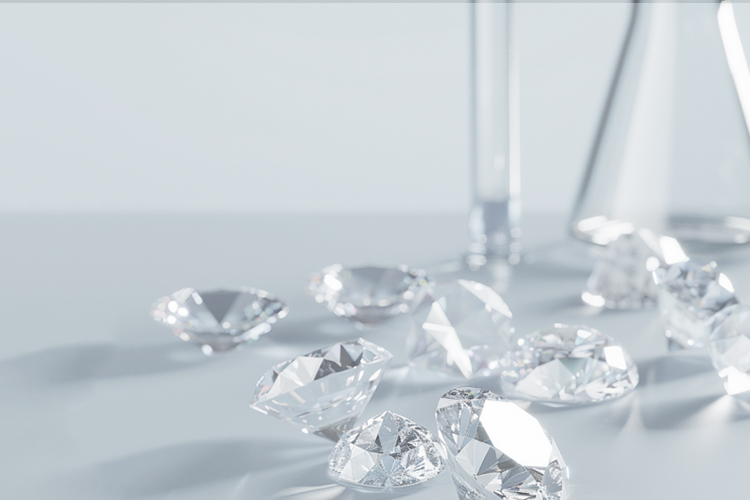
Understanding HPHT Diamonds and Lab Diamonds: A Guide to the Future of Fine Jewelry
Diamonds have long been cherished as symbols of luxury, commitment, and beauty. But in recent years, the way we source these precious stones has shifted dramatically. Thanks to technological advancements and growing ethical awareness, more consumers are turning to alternatives that are both stunning and sustainable. Two terms often making headlines are HPHT diamonds and lab diamonds. While they might sound like jargon, these terms represent a new frontier in the world of gemstones—one that’s revolutionizing how we think about luxury.
In this article, we’ll explore what HPHT diamonds and lab-grown diamonds are, how they compare to natural stones, and why they’re becoming an increasingly popular choice among today’s buyers.
What Are Lab Diamonds?
Lab diamonds, also referred to as laboratory-grown or man-made diamonds, are real diamonds created in a controlled lab environment. These diamonds are chemically, physically, and optically identical to those mined from the earth. The major difference lies in their origin.
Unlike natural diamonds that form under the earth’s crust over billions of years, lab diamonds are created in just a few weeks using one of two primary methods: HPHT (High Pressure High Temperature) or CVD (Chemical Vapor Deposition). Both methods mimic the natural processes that form diamonds but in a lab setting. This significantly reduces the environmental and ethical concerns associated with traditional diamond mining.
HPHT Diamonds: High-Tech Meets Tradition
HPHT stands for High Pressure High Temperature, and it’s one of the earliest methods used to produce lab-grown diamonds. In this process, a small diamond seed is placed in carbon and subjected to intense pressure and heat—conditions similar to those deep within the Earth. Over time, the carbon crystallizes around the seed, forming a new diamond.
HPHT diamonds are especially valued for their exceptional color quality. The HPHT method can also improve the clarity and hue of diamonds, making them a preferred choice for consumers looking for flawless or colorless stones. In fact, some diamonds that are naturally formed but contain brownish tints can be treated with the HPHT process to enhance their appearance.
What sets HPHT diamonds apart is their durability and purity. Because the process so closely mirrors natural formation, the resulting gems are often indistinguishable from mined diamonds—even to professional gemologists without specialized equipment.
CVD vs. HPHT: Understanding the Difference
While HPHT is one method, CVD (Chemical Vapor Deposition) is another leading technique for producing lab diamonds. Both methods produce high-quality diamonds, but they do so in slightly different ways.
CVD diamonds are created by placing a diamond seed in a vacuum chamber filled with carbon-rich gas. The gas is heated until it breaks down, allowing carbon atoms to attach to the seed and grow into a diamond layer by layer. CVD typically allows for more control over the growth environment, making it ideal for producing larger diamonds with fewer inclusions.
That said, HPHT diamonds often have a more robust crystal structure due to the intense conditions of their formation. Some jewelers even combine both methods—using HPHT to enhance a CVD diamond—to create the perfect blend of size, color, and clarity.
Why Choose Lab Diamonds?
The appeal of lab diamonds extends beyond their beauty. Here are a few compelling reasons why more buyers are considering lab-created stones:
1. Ethical and Sustainable:
Traditional diamond mining has long been associated with environmental damage and human rights issues. Lab diamonds, on the other hand, require significantly fewer resources and come with a transparent supply chain, making them a more ethical choice.
2. Affordable Luxury:
Lab-grown diamonds cost 30% to 50% less than their mined counterparts. This price difference allows consumers to purchase larger or higher-quality stones within their budget, without compromising on brilliance or durability.
3. Innovation Meets Elegance:
The technology behind lab-created gems represents cutting-edge innovation. For many, wearing a diamond grown through scientific precision is just as alluring as one formed naturally—if not more so.
4. Customization and Consistency:
Lab environments offer more control over diamond properties, meaning consumers can choose stones with precise characteristics. Whether you’re looking for a flawless round brilliant or a rare fancy color, lab-grown options provide greater consistency and variety.
Are HPHT and Lab Diamonds Real Diamonds?
Yes, absolutely. Both HPHT diamonds and other lab-created diamonds are real diamonds. They have the same chemical composition (pure carbon), crystal structure, and hardness as natural diamonds. The Federal Trade Commission (FTC) even recognizes lab diamonds as real diamonds, provided they are properly disclosed.
Gemological institutes such as the IGI (International Gemological Institute) and GIA (Gemological Institute of America) issue grading reports for lab diamonds, just as they do for mined ones. These reports cover the 4Cs—cut, color, clarity, and carat weight—ensuring transparency and trust for consumers.
Concerns and Misconceptions
Despite their advantages, lab diamonds sometimes face skepticism. One common misconception is that they are “fake” or synthetic in the sense of cubic zirconia. However, unlike simulants, lab-grown diamonds share the same physical and optical traits as mined diamonds.
Another concern is resale value. Historically, lab diamonds have not held resale value as strongly as natural diamonds. But as the market evolves and acceptance grows, this trend may shift. Plus, for many buyers, the ethical and financial benefits outweigh potential resale concerns.
The Future of Fine Jewelry
As the jewelry industry continues to evolve, lab diamonds—especially those produced via HPHT—are expected to play a leading role. Increasingly, consumers are prioritizing sustainability, traceability, and value without compromising on quality or aesthetics. Whether you’re choosing a diamond for an engagement ring, an anniversary gift, or a personal statement piece, lab-created diamonds offer a modern solution for a timeless symbol.
HPHT diamonds, with their brilliant appearance and precise engineering, are helping reshape the narrative around luxury and responsibility. As more people become educated about their options, it’s clear that lab diamonds aren’t just a trend—they’re the future.
Conclusion
The rise of HPHT diamonds and lab diamonds marks a pivotal moment in the world of fine jewelry. Offering all the beauty of natural diamonds without the ethical baggage or environmental harm, these stones are a testament to human ingenuity and conscious consumption. Whether you’re drawn to them for their sparkle, sustainability, or value, one thing is certain: lab-grown diamonds have earned their place in the spotlight.
As technology continues to refine the process, and public perception shifts, expect to see more jewelers and buyers embracing this brilliant evolution in gemology.
More Stories

Collar de Diamantes: El Lujo Atemporal que Nunca Pasa de Moda
El collar de diamantes es una joya emblemática que representa elegancia, lujo y sofisticación. Desde tiempos antiguos, los diamantes han...

Yellow Gold Engagement Rings Australia: Classic Beauty Meets Man Made Diamonds
When it comes to engagement rings, yellow gold has long held a place of timeless elegance and warmth. Among couples...

The Elegance of Three Stone Engagement Rings in NZ and the Brilliance of Lab Created Diamonds
When it comes to engagement rings, few designs capture the essence of love and commitment like the three stone engagement...

Custom Engagement Rings Singapore: A Unique Expression of Love
Engagement rings symbolize a lifetime of commitment, love, and memories. In recent years, custom engagement rings Singapore have gained significant...

IGI o GIA: Which Certification is Better for Diamonds?
Understanding IGI o GIA Certification When purchasing a diamond, one of the most crucial factors to consider is its certification....

The Rise of Lab-Created Diamonds: A Sustainable and Ethical Choice
In recent years, the world of diamonds has seen significant changes, and one of the most notable shifts is the...